Table of Contents
- Alaska Home Selling
- Which Areas in Alaska Offer the Best Return on Investment and Are Easiest for Residential Property Development?
- What Home Styles, Sizes, and Features Tend to Sell Fastest in the Alaska Market?
- What Should Home Sellers Know About Zoning Laws, Permits, and Regulatory Requirements in Alaska?
- Which Towns or Cities in Alaska Are Easiest, and Hardest, When It Comes to Navigating Real Estate Regulations?
- What Are the Most Effective Flipping and Resale Strategies for Maximizing Profit in Alaska's Housing Market?
- How Should Sellers Price Their Homes to Attract Buyers While Maximizing Value in Alaska?
- Which Key Economic, Social, and Regulatory Factors Are Driving Current Trends in Alaska's Local Property Markets?
Alaska Home Selling
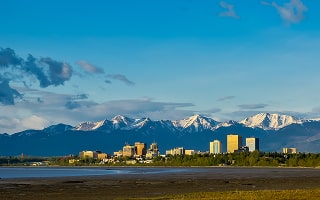
Although the housing market in Alaska saw some growth in 2025, home values in the Last Frontier State remain a step behind its Lower-48 peers. As of October 2025, the median sale price in Alaska stood at $386,900, roughly 12% lower than the national median of $439,917.
With an average supply of 3 months, Alaska's housing market still favors sellers. A sale-to-list price ratio of 98.5% and more than 25% of homes selling above the asking price show that demand remains strong throughout the state. This steady demand, combined with limited inventory, supports elevated prices across the state.
Slow construction activity has done little to increase inventory as the state continues to struggle with a housing shortage. In 2024, new housing authorizations in Alaska totaled 1,032. This translated to a rate of roughly 1.39 per 1,000 residents, less than one-third of the national rate.
In terms of property taxes, Alaska's average effective rate is approximately 1.14%, with the median-priced home paying about $3,785 per year. This rate puts Alaska's property tax rate above the national average of around 0.90%, ranking it the 16th most expensive in the nation. For buyers and investors, this higher property tax may affect affordability, despite slightly lower median home prices.
Though Alaska's foreclosure rate (1 in every 5,406 housing units) puts it in the middle of all states, higher prices, stagnant GDP growth, and sticky mortgage rates have led to a 127% increase in foreclosure activity. Within the state, foreclosures tend to occur more frequently in Dillingham, Haines, and Bethel.
Which Areas in Alaska Offer the Best Return on Investment and Are Easiest for Residential Property Development?
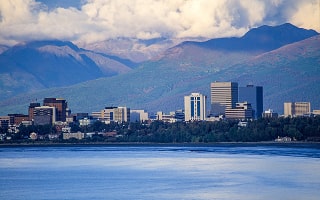
From its scenic landscapes to fishing grounds and wildlife refuges, Alaska remains a major attraction for tourists and investors. After suffering significant economic setbacks around 2015 and 2020, the state's economy, largely reliant on oil, has mostly recovered. This recovery has positively supported its real estate market, offering investors unique potential via the diverse offerings of its local property markets.
However, not all locations offer similar return on investment potential. For investors seeking maximum ROI in Alaska's real estate market, the following municipalities may be among the most promising:
-
Anchorage: The economy of Anchorage is driven by the energy, government, logistics, and tourism sectors. With average home values of around $400,000, prices are slightly higher than the statewide median. However, Anchorage is home to roughly 40% of the state's population, which supports steady sales and rental demand.
-
Soldotna: Located in the Kenai Peninsula, Soldotna's recent population boom and affordable entry point make it a prime location for potential appreciation. In addition, relatively low property taxes motivate residential builders and boost affordability for investors and end users.
-
Homer: Known for sport-fishing tourism, Homer is a unique market for short-term rentals and vacation homes. Waterfront scarcity has led to increased property values (+9.6% year over year), which averaged around $409,000 as of October 2025. In particular, historic cottages in Homer command premium nightly rental and long-term lease rates.
-
Fairbanks: Home to the University of Alaska Fairbanks and two major military installations (Fort Wainwright and Eielson Air Force Base), Fairbanks sees year-round demand for both short- and long-term rentals. As a gateway to Denali National Park and Aurora Borealis viewing area, the city also attracts thousands of tourists.
-
Eagle River: Eagle River offers a blend of suburban life with access to jobs in Anchorage, making it attractive to renters and investors. Supported by high household incomes, top-tier schools, and single-family zoning that favors quick residential build-outs, the area is a ripe target for developers and long-term investors.
-
Juneau: Alaska's capital city remains a solid option for both short- and long-term real estate investment. As the state's political and economic center, Juneau offers stability and a diverse job market, offering investment opportunities in commercial properties, apartment complexes, and urban development.
-
Tanaina: Tanaina, along with North Lakes, is one of the fastest-growing and appreciating neighborhoods in Alaska. This location has recorded over 45% growth since 2016, offering patient homeowners and investors attractive potential returns.
-
Knik-Fairview: This unincorporated area offers flexible subdivision regulations, attracting builders. In addition, rapid ongoing infrastructure expansion is improving accessibility and making it one of the most competitive markets in the state.
-
Wasilla: Located in Southcentral Alaska, Wasilla's growing population and proximity to Anchorage offers solid potential for investors. Fishing and outdoor activities in this location also make it attractive for vacation rental investments.
-
Cooper Landing: With its strategic position along the Kenai River, Cooper Landing is one of the nation's top fishing destinations. As a result, the community's strong tourism demand makes it a compelling target for investors seeking appreciation or cash flow.
-
Kenai: Located on the Kenai Peninsula, the city offers scenic views and direct local airline access to Anchorage, boosting connectivity for business, medical transport, and tourism. A core community of retirees, medical workers, and remote employees insulates the market during periods of slower tourism, helping ensure steady long-term rental demand.
What Home Styles, Sizes, and Features Tend to Sell Fastest in the Alaska Market?

Homes in Alaska typically take around 70 days to sell, roughly one week longer than the national median. However, in local markets like Anchorage, Kenai, and Tanaina, high demand may result in sellers accepting offers in just a few weeks. For investors looking to buy or flip in the Last Frontier State, it's helpful to know homes that tend to sell the fastest typically have the following features:
-
![]() Bedrooms: The most marketable homes in Alaska often have 3 bedrooms and 2 bathrooms, as such homes offer entry-level buyers and small families functional spaces without excess. In high-demand locations, such as Fairbanks North Star Borough, Anchorage, and Wasilla, homes with 3 bedrooms and 2 bathrooms often receive multiple offers within just a few days of listing. In places like Kenai and Soldotna, 1- to 2-bedroom cabins with lofts or guest pods also tend to sell quickly, appealing to second-home buyers and vacation-rental investors. These simpler floor plans offer low-maintenance appeal to remote workers and retirees.
Bedrooms: The most marketable homes in Alaska often have 3 bedrooms and 2 bathrooms, as such homes offer entry-level buyers and small families functional spaces without excess. In high-demand locations, such as Fairbanks North Star Borough, Anchorage, and Wasilla, homes with 3 bedrooms and 2 bathrooms often receive multiple offers within just a few days of listing. In places like Kenai and Soldotna, 1- to 2-bedroom cabins with lofts or guest pods also tend to sell quickly, appealing to second-home buyers and vacation-rental investors. These simpler floor plans offer low-maintenance appeal to remote workers and retirees.
-
![]() Size and Lot: Homes with 1,200-2,000 square feet on modest yards of 0.2-0.5 acres tend to sell fast in Alaska's real estate market. This is because buyers feel that homes with these size and lot specifications balance functional living spaces with manageable outdoor yard space. For remote cabins near state parks or rivers, buyers often prefer larger recreational lots situated on 5-20 acres. In Juneau and downtown Anchorage, 2-bedroom condos and townhomes with 900-1,300 square feet often receive quick offers, particularly when they include secure parking and amenity access.
Size and Lot: Homes with 1,200-2,000 square feet on modest yards of 0.2-0.5 acres tend to sell fast in Alaska's real estate market. This is because buyers feel that homes with these size and lot specifications balance functional living spaces with manageable outdoor yard space. For remote cabins near state parks or rivers, buyers often prefer larger recreational lots situated on 5-20 acres. In Juneau and downtown Anchorage, 2-bedroom condos and townhomes with 900-1,300 square feet often receive quick offers, particularly when they include secure parking and amenity access.
-
![]()
Style: Homebuyers in the Alaska property market, especially in its suburban markets, prefer ranch and traditional bungalow designs, as these styles offer single-story layouts, open kitchens, and practical mudrooms that transition seamlessly from snowy landscapes to everyday living. These types of homes also appeal to young families, aging residents, and many remote workers because they typically feature attached garages for gear storage.
Also, handcrafted retreats, such as log and timber-frame cabins that capture the essence of the Alaskan wilderness appeal to many buyers. Note that some buyers and investors also prefer modern modular and prefabricated homes with customizable floor plans and factory-controlled quality, as they offer energy savings, minimal site disruption, and the potential for same-season completion.
-
![]() Modern Upgrades: Many people looking to buy or rent property in Alaska prefer homes with modern upgrades, such as extra insulation and high-performance windows, to keep heat inside during the cold months. Homes with solar panels or other energy-efficient upgrades that can help lower utility bills and provide greener living also sell quicker than properties without these features.
Modern Upgrades: Many people looking to buy or rent property in Alaska prefer homes with modern upgrades, such as extra insulation and high-performance windows, to keep heat inside during the cold months. Homes with solar panels or other energy-efficient upgrades that can help lower utility bills and provide greener living also sell quicker than properties without these features.


In addition, properties that offer updated kitchens and bathrooms tend to attract more attention and fetch higher sales prices. Bathroom upgrades like vanity lighting, stone or tile flooring, and walk-in showers significantly increase perceived value, while kitchen features such as butcher-block countertops, stainless steel appliances, and oversized kitchen islands also consistently rank high on buyer wish lists.
Outside the home, enhancements like stone patios, outdoor kitchens, and exterior lighting or heated driveways are growing in popularity, especially in scenic or snow-prone areas.
What Should Home Sellers Know About Zoning Laws, Permits, and Regulatory Requirements in Alaska?

Regulatory processes, permitting requirements, and especially zoning laws play significant roles in determining how land or property may be used or improved. As a result, sellers and developers seeking to maximize return on investment should always stay informed and compliant with local rules in the jurisdictions where they intend to build or invest. Typically, local authorities issue zoning verification letters to property owners as proof of current compliance with local regulatory requirements and zoning laws. Similarly, buyers often request a zoning compliance letter during the due diligence period to confirm that a property is legally conforming and free from violations. Consequently, failing to obtain or present this letter to buyers can delay or jeopardize a sale.
Note that zoning regulations vary widely across Alaska cities and boroughs, with certain areas known for strict oversight and others offering more flexibility to homeowners and developers. For instance, Anchorage, which is the most populous city in the state, enforces some of the most stringent zoning and building codes (outlined in Title 21 of its municipal code). Also, the City and Borough of Juneau and Fairbanks North Star Borough have strict zoning laws and permitting requirements. The zoning codes in these locations tightly enforce laws surrounding land uses, building height, setback requirements, and signage. For instance, Juneau has adopted a proactive and detailed land use code due to the city's limited buildable terrain and environmental concerns.
Unlike Juneau, Anchorage, and Fairbanks North Star Borough, other parts of Alaska operate with less regulatory oversight, offering developers and sellers more flexibility. These locations include the Kenai Peninsula Borough, Matanuska-Susitna Borough, and the Unorganized Borough managed by the state. For example, the Kenai Peninsula Borough does not enforce zoning laws in its unincorporated areas, while large portions of the Matanuska-Susitna Borough lack the same type of detailed zoning seen in places like Juneau and Anchorage. Hence, individuals looking to sell or build quickly may find these locations with fewer bureaucratic laws more attractive for investment.
Note that in certain jurisdictions, some types of development require special permits. In some cases, obtaining special permits may require public hearings and approval from a zoning board. For instance, in Fairbanks North Star Borough, property owners seeking a conditional use permit or variance must appear before the Planning Commission to receive approval. A similar process is required in the City of Sitka and the Kodiak Island Borough.
In locations where new construction or major renovations are needed, local laws often require owners to secure a Certificate of Occupancy (CO). For example, in Anchorage, a CO is required before legal occupancy (and often required at closing or for utilities) for new construction and some major renovations. While Wasilla is less strict in its enforcement of this process, it still requires COs for projects involving major changes to residential structures.
For historic properties in Alaska, renovations may have to go through commissions that oversee modifications to homes or landmarks in historic districts. In Skagway, any changes made to buildings located within its historic district must be approved by the Historic District Commission. Similarly, in Sitka, renovation within historic areas often requires approval from the Historic Preservation Commission, which is especially common if the property is listed on the National Register of Historic Places.
Which Towns or Cities in Alaska Are Easiest, and Hardest, When It Comes to Navigating Real Estate Regulations?

Zoning laws for land use and development vary from one location to another in Alaska. While some towns and boroughs make it easy for developers and homeowners to build and renovate, others have strict laws and require multiple approval steps. Since these laws can affect property value and marketability, it's important for developers, investors, and homeowners to follow local rules to avoid potential issues.
The following information is a breakdown of areas in Alaska based on the difficulty of navigating land use, permitting, and other regulatory requirements:
Development-Friendly Areas
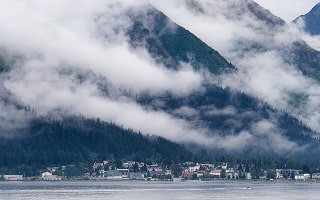
Locations categorized as development-friendly areas have flexible zoning laws and land-use development requirements that are attractive to investors and developers. Examples include:
- Kenai Peninsula Borough: Most unincorporated areas in this jurisdiction lack formal zoning laws, offering property owners freedom to use or sell their land without heavy restrictions.
- Matanuska-Susitna Borough: This area is one of the fastest-growing parts of Alaska, with flexible land-use and zoning rules. Hence, developers can move forward with projects relatively quickly.
Moderately Regulated Areas
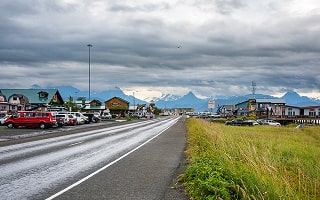
Places in this category strive to strike a balance between regulatory oversight and growth. While they require permits and compliance with zoning laws, they keep the process more predictable than in the most restrictive jurisdictions in Alaska. Examples include:
- Fairbanks North Star Borough: In this area, certain projects, like establishing a major kennel outside of approved districts, require a public hearing and approval. However, the steps are predictable and developers can often estimate timelines accurately.
- Wasilla: Wasilla requires building permits and Certificates of Occupancy for new construction or major renovations.
- City of Kenai: The City of Kenai follows standard municipal zoning, modest stormwater requirements, and routine conditional-use hearings. This keeps approvals on a steady, manageable timeline.
Highly Restrictive or Bureaucratic Areas
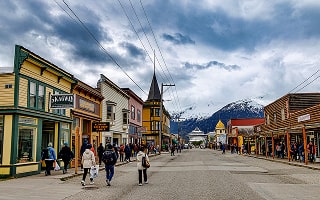
These locations have detailed zoning codes and are typically challenging for investors and developers to navigate. Examples include:
- City of Anchorage: Anchorage has the most detailed zoning system in the state, covering a wide range of land and property uses. Therefore, obtaining variances or rezoning often takes time.
- City of Juneau: The state capital has limited land and its environmental concerns make regulations strict. The city also has multiple historic-preservation overlays and requires mandatory Historic Resources Advisory Committee sign-offs and conditional-use hearings under heavy public scrutiny for various approvals.
- City of Sitka: In historic areas, certain property changes require approval from preservation authorities before work can begin. Sitka also has strict tree-retention ordinances and shoreland and tideland development buffers.
- City of Skagway: For homes located in Skagway's Historic District, the Historic District Commission must approve exterior changes, building materials, or designs to protect the town's heritage.
Regulatory Climate Factors

The regulatory climate in Alaska varies across its municipalities, meaning that while some areas have flexible local laws or lack specific zoning altogether, others have detailed guidance and rigid restrictions. These differences determine how difficult or easy it is for developers and homeowners to build, renovate, or flip properties. For sellers, developers, and investors, it's critical to know which rules apply where. The table below highlights common regulatory climate factors, the impact of these factors on development, and where such factors are prevalent throughout the state.
Factor |
Impact on Development |
Where It's Found |
|---|---|---|
Zoning Flexibility |
Determines ease of land use |
Kenai Peninsula Borough (unincorporated areas) and Matanuska-Susitna Borough (rural communities) |
Historic Preservation Laws |
Adds restrictions |
Sitka (historic core) and Skagway (Historic District) |
Wetlands/Conservation |
Limits buildable land |
Juneau (wetlands and coastal zones), and Matanuska-Susitna Borough (river valleys) |
Inclusionary Zoning |
Incentivizes or requires affordable units |
Anchorage (applies to certain housing projects) |
Building Code Enforcement |
Affects cost/speed |
Anchorage, Wasilla, and City of Fairbanks |
Local Politics/NIMBYism* |
Blocks or delays projects |
Anchorage (dense neighborhoods) and Juneau (limited land supply, strong local activism) |
*NIMBYism - Not in My Backyard
What Are the Most Effective Flipping and Resale Strategies for Maximizing Profit in Alaska's Housing Market?
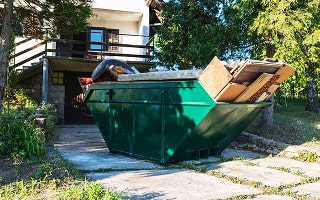
Using a single flipping or resale strategy may not suit all situations and local property markets in Alaska. To successfully flip or resell a property quickly and for top dollar, it's important to use proven strategies tailored to the local market. The following are some of the most effective flipping and resale strategies for maximizing ROI in Alaska:
-
![]()
Target Distressed or Foreclosed Homes: Investors in the Alaska real estate market often use this approach to purchase properties at deep discounts. This strategy involves buying distressed properties, such as pre-foreclosures or bank-owned (REO) homes, which are typically sold well below market value. In cities like Anchorage and Fairbanks, where foreclosure filings may appear more regularly, experienced flippers can find solid opportunities to buy foreclosed homes or distressed properties.
-
![]()
Use the 70% Rule: The 70% Rule helps investors avoid overpaying by quickly calculating their max offer. This rule recommends buyers offer no more than 70% of the property's after-repair value (ARV), minus the repair costs. It's especially useful in areas such as Wasilla and Palmer, where prices are generally lower and strategic renovation costs can add up quickly.
-
![]()
Wholetail for Speed: This approach involves making light cosmetic repairs, which may include painting or replacing old fixtures. After making some basic updates, the seller lists the home for quick resale. Wholetailing works best in suburban areas like Eagle River or Matanuska-Susitna Borough, where families often look for move-in-ready homes but don't usually expect luxury finishes.
-
![]()
Build Strong Deal Pipelines: This approach helps provide investors with consistent access to new deals, which is a key part of a successful long-term strategy. Developers or investors in Alaska can build a strong deal pipeline using direct mail campaigns or online platforms via targeted advertisements. In addition, partnering with local brokers or agents to access early or off-market listings may give investors a competitive edge. This strategy is especially useful in Kenai, Soldotna, and other small towns where there may be fewer listings and stiff competition.
-
![]()
Renovate with Quality, Don't Cut Corners: In cold-weather states like Alaska, homebuyers are cautious about workmanship and are less likely to purchase properties with cheap materials or low-quality insulation, roofing, and heating systems. In markets such as Juneau or Homer, quality building materials and professional workmanship build trust and often lead to higher resale values.
-
![]()
Use the Buy, Rehab, Rent, Refinance, Repeat (BRRRR) Method: The BRRRR method helps investors build long-term equity and is ideal in locations with growing rental demand, such as Fairbanks, Anchorage, and even Kodiak. In these locations, workers and military families are common, and they typically prefer to rent. By buying a property, rehabbing it, and renting it out to reliable tenants, investors can easily refinance and pull out equity to fund their next project while keeping a cash-flowing property.
-
![]()
Try Value-Add Flipping: This approach works best in Alaska locations that allow for expansion or conversion of current land use. With value-add flipping, investors expand square footage or change a home's use, such as converting a single-family home to a duplex or adding a rental suite. In areas like Matanuska-Susitna Borough or the Kenai Peninsula, where larger lot sizes are common, these upgrades can increase a property's resale value significantly.
-
![]()
Explore Creative Financing and Seller Financing: In some situations, home sellers who own their homes outright may be more receptive to holding a mortgage or offering nontraditional financing. In these cases, buyers can suggest creative deals, such as seller financing or lease options, to help avoid bank financing and close deals quickly. This approach may be used in places like Petersburg and Nome, where financing options may be limited or slow.
-
![]()
Invest in Tax Deeds: Real estate investors in the Alaska property market who are patient and willing to put in the work to clear a clouded title can acquire properties at low costs via tax deed sales. This approach works well in areas like Fairbanks North Star Borough or Kenai Peninsula Borough, where local governments periodically hold tax sales.


How Should Sellers Price Their Homes to Attract Buyers While Maximizing Value in Alaska?

Overpricing is one key reason why homes linger on the market. However, undervaluing a property may result in sellers leaving money on the table. To set the right price and maximize returns, sellers are advised to work with a local real estate agent or certified appraiser. These professionals will conduct a comparative market analysis by examining other homes in the area, including those that are pending sale, active on the market, or sold within the past 90 days. This analysis offers sellers a clear picture of what buyers are willing to pay, enabling them to set a competitive asking price without reducing profit margins.
Note that different pricing strategies work better in different parts of Alaska. In addition, the conditions surrounding a property may also play a part in which pricing strategy to use. Below are some of the most common methods used by sellers and investors in Alaska:
-
![]() Pricing Just Below Below Market Thresholds: This strategy involves listing a property just under a round number. For example, a seller using this approach can list a home for $299,900 instead of $300,000. Using this approach helps more buyers find the listing when they search using a price range filter. It works well in places like Anchorage and Wasilla, where many buyers use real estate apps and websites to shop for homes.
Pricing Just Below Below Market Thresholds: This strategy involves listing a property just under a round number. For example, a seller using this approach can list a home for $299,900 instead of $300,000. Using this approach helps more buyers find the listing when they search using a price range filter. It works well in places like Anchorage and Wasilla, where many buyers use real estate apps and websites to shop for homes.
-
![]() Charm Pricing (Psychological Pricing): While charm pricing is similar to pricing just below market thresholds, it focuses on making a price feel more affordable. For instance, listing a home at $249,000 instead of $250,000 can catch a buyer's attention and make them feel like they're getting a good deal. Charm pricing is popular in mid-priced or suburban markets like Palmer, Eagle River, or Kenai, where many buyers are watching their budgets closely.
Charm Pricing (Psychological Pricing): While charm pricing is similar to pricing just below market thresholds, it focuses on making a price feel more affordable. For instance, listing a home at $249,000 instead of $250,000 can catch a buyer's attention and make them feel like they're getting a good deal. Charm pricing is popular in mid-priced or suburban markets like Palmer, Eagle River, or Kenai, where many buyers are watching their budgets closely.
-
![]() Pricing to Create a Bidding War: This approach works best in Alaska's busy property markets or neighborhoods with good schools, such as Anchorage and Juneau. In these locations, sellers price their homes just below market value. To help spark a bidding war, the seller sets a price that's typically below full market value or appraised value. This low price generates quick interest from multiple buyers, pitting them against one another. This high level of competition can create urgency and potentially drive the final sale price beyond the original asking price.
Pricing to Create a Bidding War: This approach works best in Alaska's busy property markets or neighborhoods with good schools, such as Anchorage and Juneau. In these locations, sellers price their homes just below market value. To help spark a bidding war, the seller sets a price that's typically below full market value or appraised value. This low price generates quick interest from multiple buyers, pitting them against one another. This high level of competition can create urgency and potentially drive the final sale price beyond the original asking price.
-
![]() High-Anchor Pricing (Testing the Waters): This approach is often used when a seller wants to see if a buyer is willing to pay a premium price for a unique property. The strategy recommends that sellers set the listing price on the high end of the market range, such as $500,000 in a $450,000-$500,000 market. This strategy works best in scenic or vacation areas like Homer or Sitka, where homes have special features and sellers have the patience to wait for the right offer.
High-Anchor Pricing (Testing the Waters): This approach is often used when a seller wants to see if a buyer is willing to pay a premium price for a unique property. The strategy recommends that sellers set the listing price on the high end of the market range, such as $500,000 in a $450,000-$500,000 market. This strategy works best in scenic or vacation areas like Homer or Sitka, where homes have special features and sellers have the patience to wait for the right offer.
-
![]() Price-Per-Square-Foot Benchmarking: This method advises that sellers set the price based on the cost per square foot. It's useful in neighborhoods where homes are similar, such as subdivisions or condos in Eagle River, Wasilla, and Fairbanks, as buyers in these places often compare homes based on the price per square foot. Consequently, matching the prevailing rate to the list price helps sellers stay competitive.
Price-Per-Square-Foot Benchmarking: This method advises that sellers set the price based on the cost per square foot. It's useful in neighborhoods where homes are similar, such as subdivisions or condos in Eagle River, Wasilla, and Fairbanks, as buyers in these places often compare homes based on the price per square foot. Consequently, matching the prevailing rate to the list price helps sellers stay competitive.
-
![]() Appraisal-Backed Pricing: In areas where FHA or VA loans are common, pricing a home in line with the likely appraisal value can help clear the way for smooth closings. Since government-backed loans typically rely on appraisal values, home sellers in areas like Kodiak and Bethel can help avoid appraisal gaps and other financing-related delays by using the appraisal-backed pricing strategy.
Appraisal-Backed Pricing: In areas where FHA or VA loans are common, pricing a home in line with the likely appraisal value can help clear the way for smooth closings. Since government-backed loans typically rely on appraisal values, home sellers in areas like Kodiak and Bethel can help avoid appraisal gaps and other financing-related delays by using the appraisal-backed pricing strategy.
-
![]() Net-to-Seller Pricing: This method focuses on setting a realistic price based on how much money the seller will net after paying off the mortgage, agent commissions, and other closing costs. This strategy is used in towns like Seward or Valdez, especially if the seller has a set amount they need to walk away with. Net-to-seller pricing helps sellers avoid last-minute surprises or price drops.
Net-to-Seller Pricing: This method focuses on setting a realistic price based on how much money the seller will net after paying off the mortgage, agent commissions, and other closing costs. This strategy is used in towns like Seward or Valdez, especially if the seller has a set amount they need to walk away with. Net-to-seller pricing helps sellers avoid last-minute surprises or price drops.
-
![]() Urgent Pricing (Motivated Seller Strategy): If a homeowner needs to sell fast, as is often the case with job relocation, divorce, or financial pressure, they may choose to list their home at a lower price to attract quick offers. Urgency pricing works well in smaller or rural towns, such as Nome or Delta Junction, where there may be fewer buyers, and when a faster sale is more important than getting top dollar.
Urgent Pricing (Motivated Seller Strategy): If a homeowner needs to sell fast, as is often the case with job relocation, divorce, or financial pressure, they may choose to list their home at a lower price to attract quick offers. Urgency pricing works well in smaller or rural towns, such as Nome or Delta Junction, where there may be fewer buyers, and when a faster sale is more important than getting top dollar.


To sell quickly and maximize ROI, home sellers in Alaska are advised to align their pricing approach with prevailing market conditions and other specific trends that impact local real estate activity.
Market Condition |
Best Strategy |
|---|---|
Seller's Market |
Underpricing for a bidding war |
Buyer's Market |
Charm pricing or net-to-seller |
Unique, luxury home |
High-anchor + value justification |
Entry-level home |
Just below threshold |
Urgent sale needed |
Aggressive urgency pricing |
Flipper or investor listing |
Appraisal-backed or price-per-square-foot |
Which Key Economic, Social, and Regulatory Factors Are Driving Current Trends in Alaska's Local Property Markets?

Home prices in Alaska's real estate market have experienced upward pressure, along with temporary slowdowns based on location and seasonality. Still, overall demand remains strong across various municipalities.
Whether you're planning on selling or buying a property in Alaska, it's important to consider the underlying factors shaping real estate demand and supply in the state. These factors impact prices and how quickly properties sell, helping investors pinpoint where they might want to buy. These factors include the following:
![]() Economic Factors
Economic Factors
 Economic Factors
Alaska's economy is slowly growing, with job gains in healthcare, construction, and tourism. According to the Alaska Department of Labor and Workforce Development, the biggest job increases occurred in Anchorage, Juneau, and Fairbanks. This has kept up housing demand in these locations. Nevertheless, inflation and higher costs of living continue to impact buyer affordability in the state. Construction materials and labor are expensive, slowing down new housing projects, especially in rural areas. However, in locations like the Matanuska-Susitna Borough, where land is cheaper and more available, construction activity is picking up.
![]() Demographic and Social Factors
Demographic and Social Factors
 Demographic and Social Factors
Alaska's population growth has slowed in recent years, with some outmigration to the Lower 48 states. However, the state continues to attract younger families and military personnel to cities like Anchorage and Fairbanks. At 35.6 years, the median age remains younger than the national median (39.1), fueling demand for affordable starter homes in the state. Rural towns in Alaska generally experience slower housing demand due to population loss.
![]() Regulatory and Legal Framework
Regulatory and Legal Framework
 Regulatory and Legal Framework
Like the rest of the U.S., zoning laws vary throughout the state. In Anchorage, Alaska's largest city, detailed zoning laws can make it harder to develop or renovate. On the other hand, the Unorganized Borough, which lacks traditional zoning, accounts for 56% of the state's land, making it attractive for investors and developers who want fewer restrictions. Note that the state does not impose rent control laws, but some municipalities have explored tenant protections and rental assistance programs in response to high housing costs.
![]() Taxation and Fiscal Policy
Taxation and Fiscal Policy
Alaska has no state income tax, no statewide sales tax, and no real estate transfer taxes, all of which helps attract homebuyers and investors. Consequently, the cost of buying and owning property in Alaska is lower than in some other states.
However, property taxes in Alaska remain above the national average statewide, and vary by city or borough. Anchorage and Fairbanks tend to have higher property taxes, while places like Matanuska-Susitna Borough are more tax friendly.
![]() Housing Policy and Government Programs
Housing Policy and Government Programs
The Alaska Housing Finance Corporation (AHFC) offers many helpful programs for homebuyers, such as low-interest loans, down payment assistance, and energy-efficiency upgrades. These programs are especially useful in communities like Fairbanks, Juneau, and Wasilla, where first-time buyers are active. Also, AHFC supports rental housing development, which helps boost supply in growing areas. Similarly, many military families near Joint Base Elmendorf-Richardson in Anchorage use VA and FHA loans, which help them afford homes even in tight markets.
![]() Infrastructure and Development Trends
Infrastructure and Development Trends
 Infrastructure and Development Trends
In Alaska, big cities like Anchorage have better roads, utilities, and broadband, which helps boost home values. In contrast, rural places like Bethel or Nome face challenges with transportation and certain basic services, making development slower and more costly. Also, suburban locations, such as areas in the Matanuska-Susitna Borough Valley, are experiencing fast growth due to better road connections and more affordable land.
However, major upgrades to the Parks and Glenn Highways, airport expansions in regional hubs, and broadband rollouts are improving accessibility and making outlying areas more viable for residential development. Also, improvements in port and rail logistics are expected to lower material costs for builders working outside urban cores.
![]() Market Sentiment and Investor Behavior
Market Sentiment and Investor Behavior
 Market Sentiment and Investor Behavior
Investors remain active in the Alaska real estate market, especially in areas with affordable homes and growing rental demand. Suburbs near Anchorage, such as Eagle River and Wasilla, are popular among flippers and rental property investors. These places offer strong rental income and stable property values. However, builders and buyers remain cautious due to high construction costs, slower permitting in some cities, and economic uncertainties related to oil revenue and government funding. Still, out-of-state buyers continue to show interest, especially in scenic or recreational areas.
The real estate market in Alaska stands at the crossroads of challenge and opportunity as it seeks to navigate economic recovery, population shifts, and a diverse regulatory climate. From high-demand urban hubs like Anchorage and Juneau to fast-growing suburban areas such as Matanuska-Susitna Borough, Eagle River, and Wasilla, the state offers multiple entry points for investors and buyers seeking strong returns. Still, communities like Homer, Soldotna, and the Kenai Peninsula provide a blend of affordability and lifestyle appeal that continues to attract both residents and tourists.
One unique appeal of the housing market in Alaska is the variety it offers. While some areas promise steady rental demand backed by military presence or universities, others thrive on tourism and waterfront scarcity. Sellers can maximize their returns by aligning their pricing strategies with local market conditions, while investors can benefit from focusing on quality renovations, value-add projects, and targeted marketing. Additionally, navigating zoning laws and regulatory requirements remains important, since compliance not only avoids delays but also boosts buyer confidence and property value.
In addition to complying with zoning laws, selecting the right flipping and resale strategy, and pricing competitively, investors and sellers must understand where demand is strongest, how regulations differ from borough to borough, and which home features appeal most to today's buyers.
Table of Contents
- Alaska Home Selling
- Which Areas in Alaska Offer the Best Return on Investment and Are Easiest for Residential Property Development?
- What Home Styles, Sizes, and Features Tend to Sell Fastest in the Alaska Market?
- What Should Home Sellers Know About Zoning Laws, Permits, and Regulatory Requirements in Alaska?
- Which Towns or Cities in Alaska Are Easiest, and Hardest, When It Comes to Navigating Real Estate Regulations?
- What Are the Most Effective Flipping and Resale Strategies for Maximizing Profit in Alaska's Housing Market?
- How Should Sellers Price Their Homes to Attract Buyers While Maximizing Value in Alaska?
- Which Key Economic, Social, and Regulatory Factors Are Driving Current Trends in Alaska's Local Property Markets?